Resistance & repair
Heroes & change makers
The archive documents harm and policy; this gallery honors people who organized, wrote, litigated, marched, and built community in the struggle against racism and for dignity. They are a small sample—additions welcome through the submission form or admin.
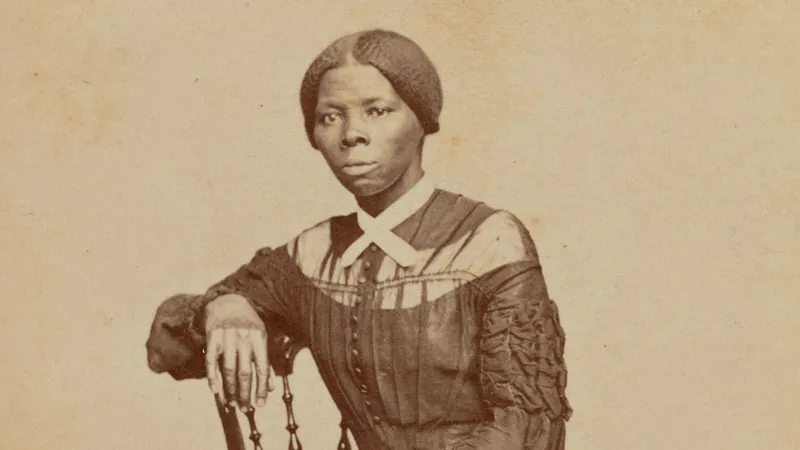
Harriet Tubman
After freeing herself from slavery, Tubman returned South repeatedly to lead roughly seventy people to freedom and later served as a Union scout and nurse during the Civil War.
Read more →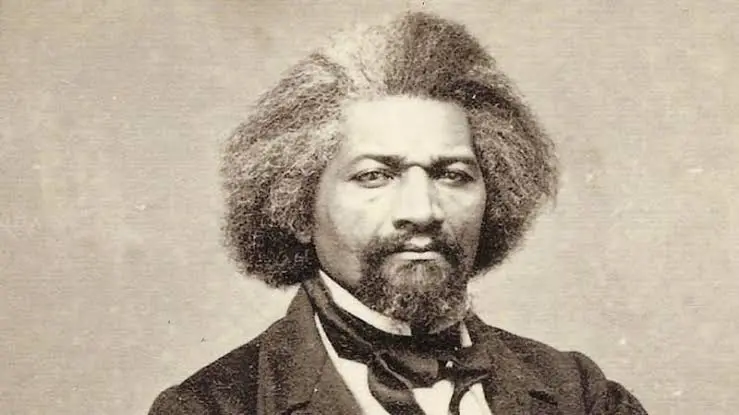
Frederick Douglass
Born into slavery, Douglass became one of the most influential abolitionists of the nineteenth century through speeches, journalism, and diplomacy—including advising Lincoln.
Read more →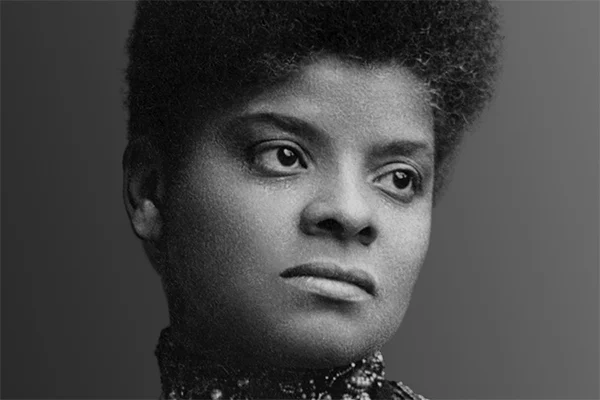
Ida B. Wells
Wells documented lynching with data and narrative, co-founded the NAACP, and built Black institutions in Memphis and Chicago while facing mob violence and exile.
Read more →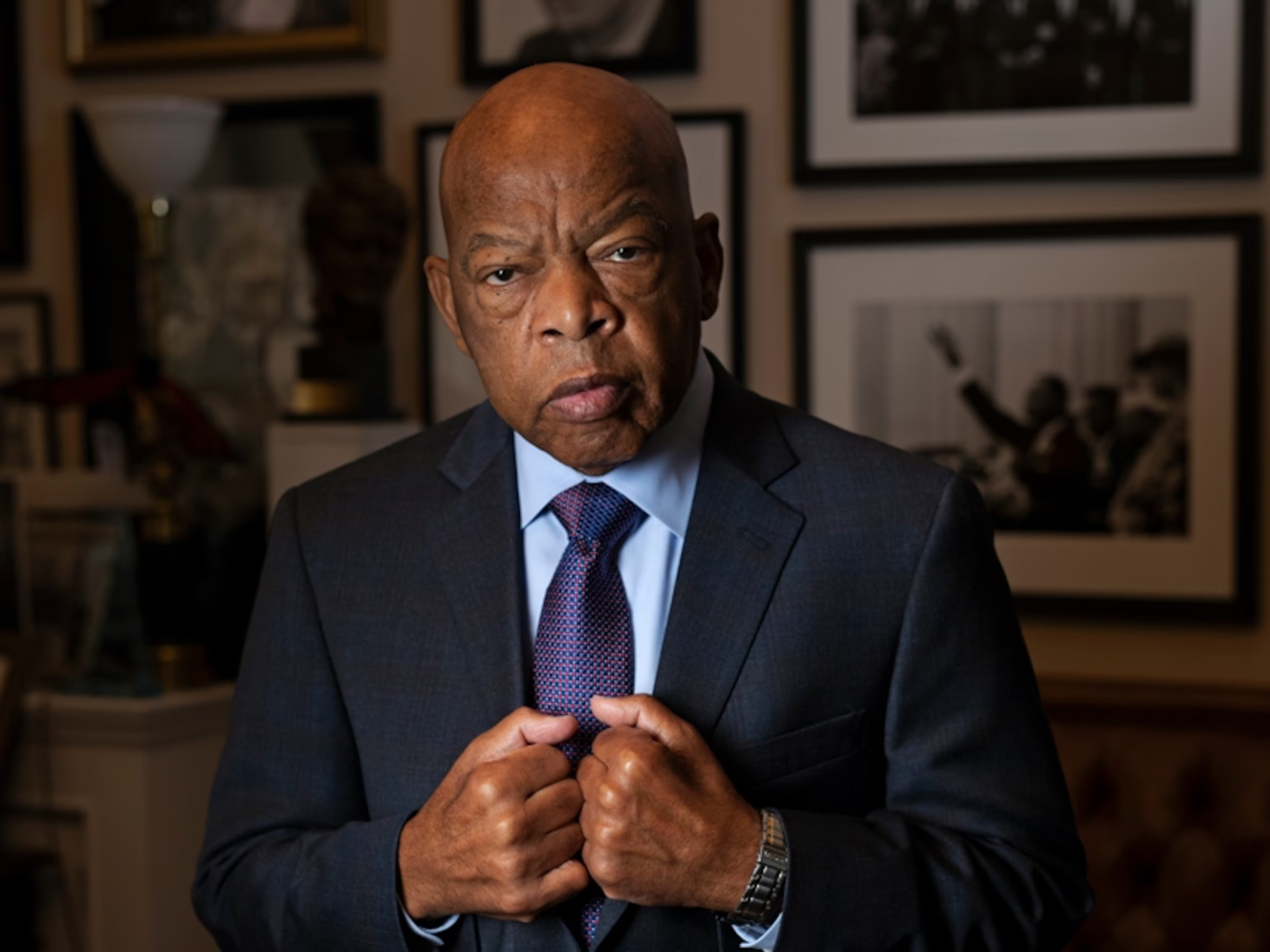
John Lewis
Lewis chaired SNCC, helped lead the Selma march where he was beaten on Bloody Sunday, and served decades in Congress championing voting rights and reconciliation.
Read more →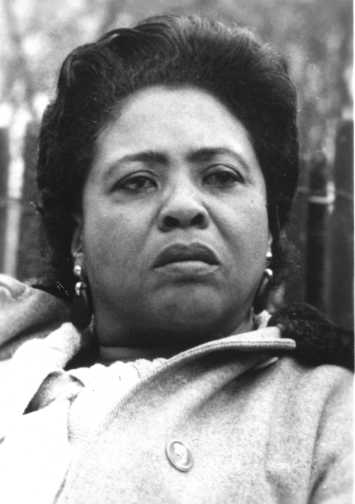
Fannie Lou Hamer
A sharecropper who became a national voice for voting rights, Hamer survived brutal reprisals and delivered searing testimony at the 1964 Democratic convention.
Read more →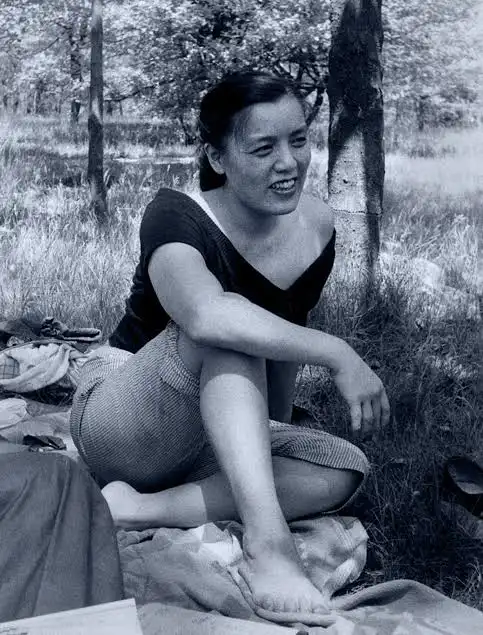
Grace Lee Boggs
Boggs spent decades organizing around labor, Black Power, and urban renewal—later fostering youth-led urban agriculture and mutual aid in Detroit.
Read more →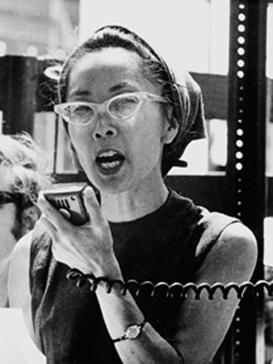
Yuri Kochiyama
After Japanese American incarceration during World War II, Kochiyama worked with Black, Puerto Rican, and Asian American liberation movements in Harlem and beyond.
Read more →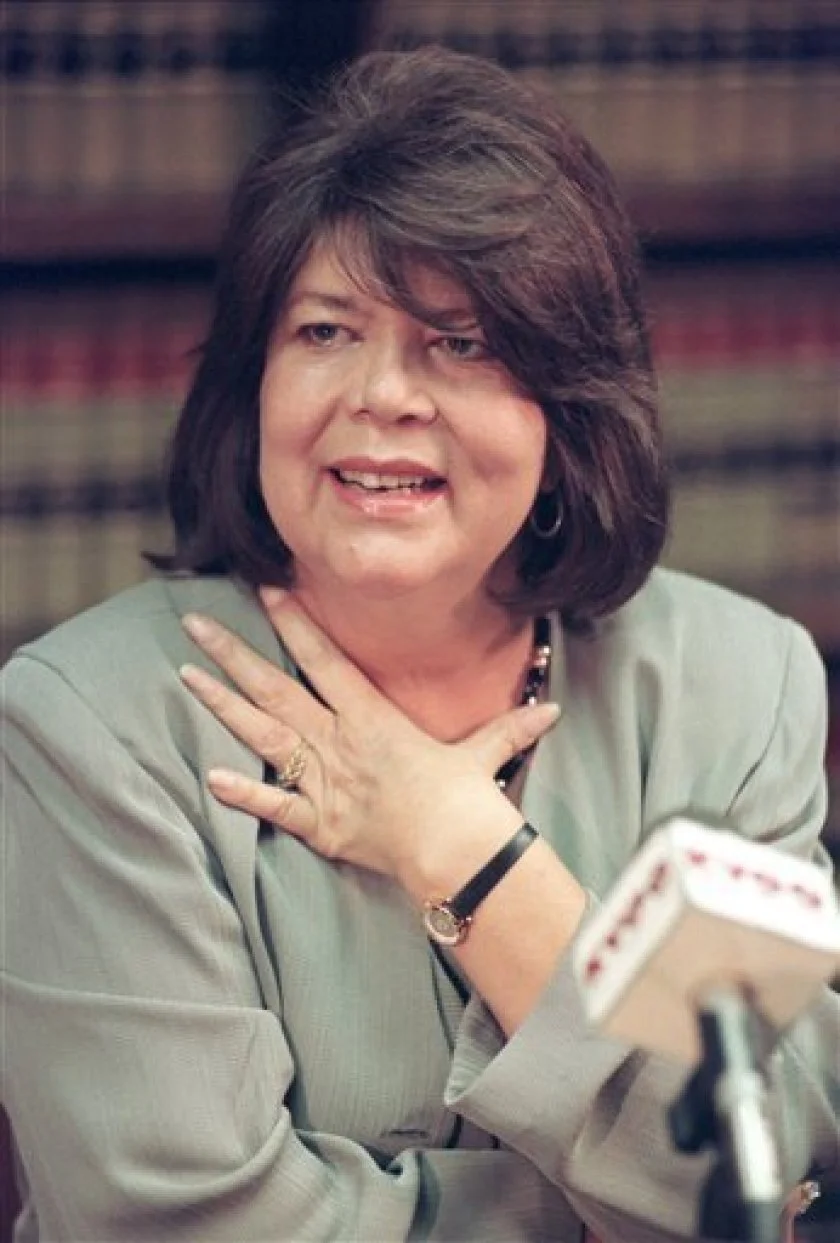
Wilma Mankiller
Mankiller revitalized Cherokee self-governance and rural community development—expanding housing, health care, and tribal enterprises while mentoring Native women in leadership across Indian Country.
Read more →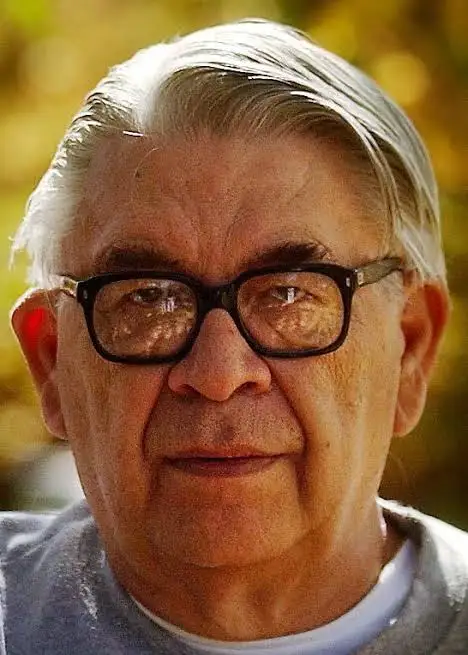
Vine Deloria Jr.
His book Custer Died for Your Sins helped reset U.S. conversations about treaties, tribal governments, and misrepresentation of Native people—blending law, humor, and history.
Read more →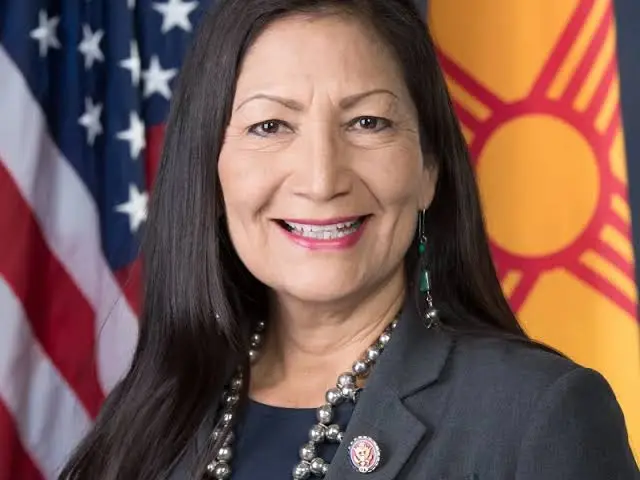
Deb Haaland
A former U.S. representative from New Mexico, Haaland served as Secretary of the Interior—overseeing agencies that shape tribal relations, public lands, and the protection of sacred sites.
Read more →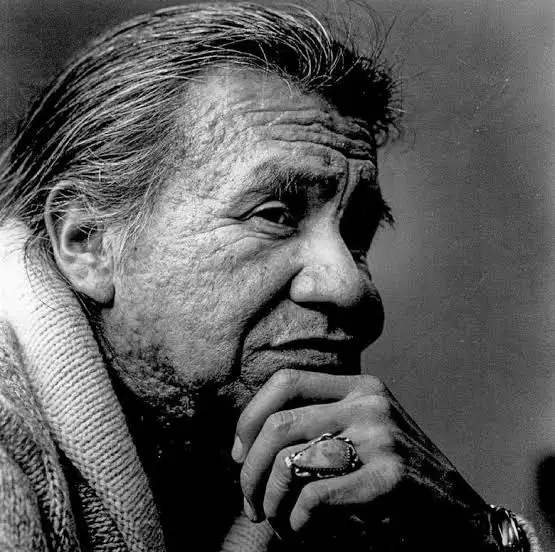
Billy Frank Jr.
Frank organized 'fish-ins' on the Nisqually River to assert treaty fishing rights guaranteed in treaties—facing arrest dozens of times before courts affirmed tribal salmon fisheries in the Pacific Northwest.
Read more →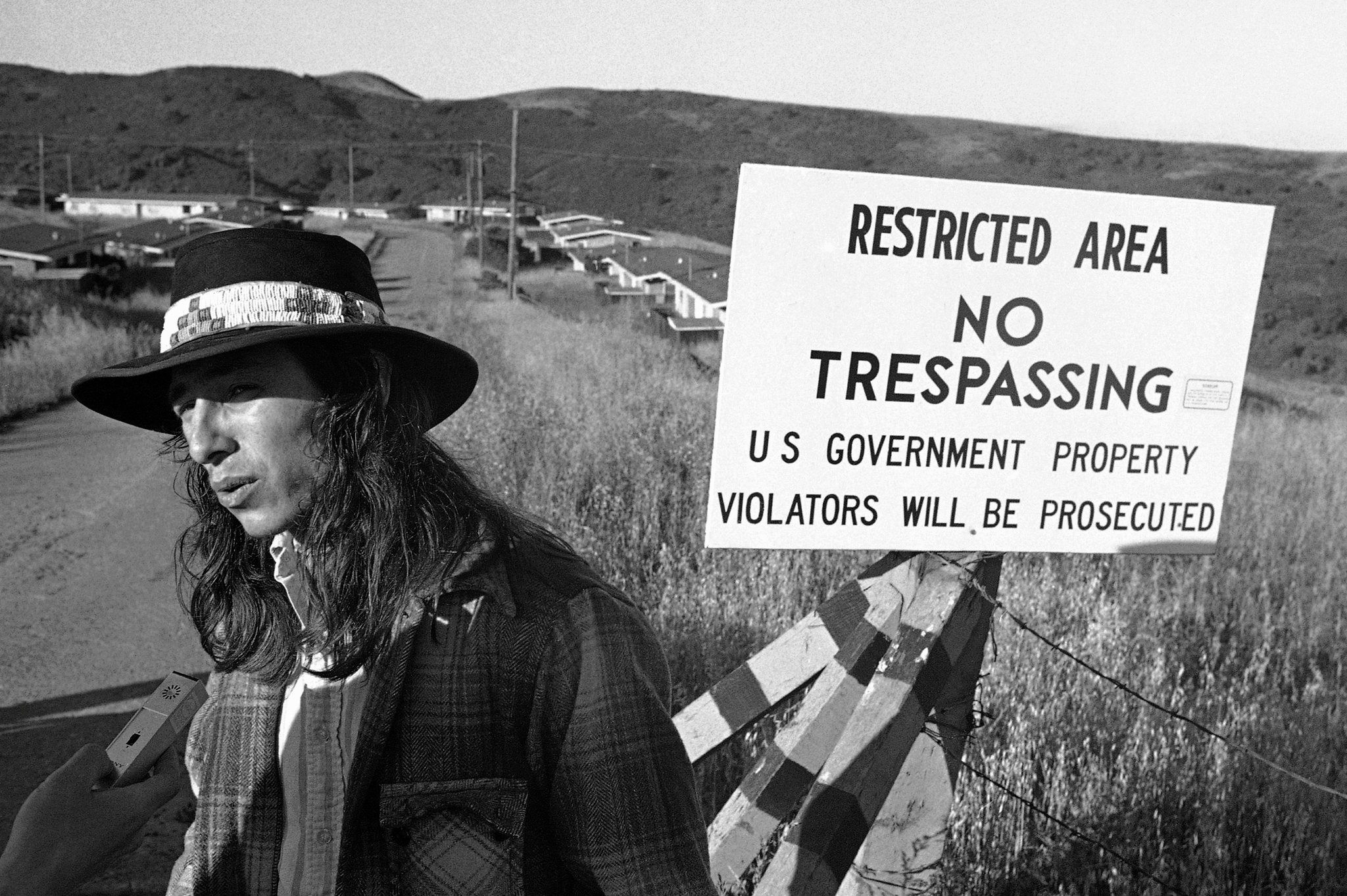
John Trudell
Trudell was a spokesperson for the 1969 Alcatraz occupation and during the 1973 Wounded Knee standoff—then rebuilt his public voice as a poet and recording artist after personal tragedy.
Read more →